What We Treat
We Specialize in the Conditions Others Overlook
Chronic pelvic conditions are frequently undertreated, misdiagnosed, or minimized. Our practice is built specifically around these diagnoses. You will be coming to someone who truly understands the complexity of what you're living with.
-
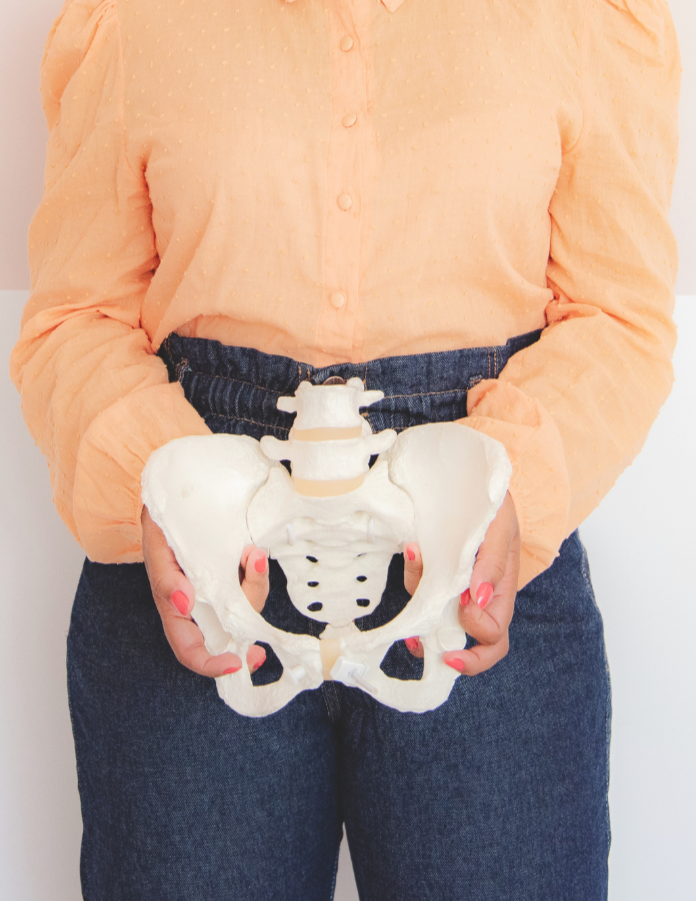
Persistent pain in the pelvis, lower abdomen, or hips that lasts three months or longer is often rooted in pelvic floor muscle dysfunction. This can include muscle spasm, trigger points, nerve sensitization, or fascial restriction. Pelvic floor PT works to identify and treat the specific tissue contributors to your pain pattern.
-
Endometriosis causes the pelvic floor to guard, brace, and adapt around pain often for years. Even after surgical intervention, many people continue to experience pain because the muscles and connective tissue remain in a protective holding pattern. Pelvic floor therapy helps release that tension, restore mobility to pelvic structures, and reduce pain with movement, sex, and daily activity.
-
IC is one of the most common conditions referred to pelvic floor physical therapy. Research consistently shows that pelvic floor muscle dysfunction plays a significant role in bladder pain and urgency. Manual therapy, nervous system downregulation, and bladder retraining are central to our approach.
-
Pain in or around the rectum, vagina, or bladder (including vulvodynia, vaginismus, proctalgia, levator ani syndrome, and pudendal neuralgia) often has a significant pelvic floor component. These conditions respond well to targeted hands-on care and are a core focus of this practice.
-
An overactive bladder involves a sense of urgency that is difficult to control, often with increased frequency. While the bladder is often blamed, the pelvic floor and nervous system are frequently the true drivers. Treatment focuses on calming urgency signals, improving muscle coordination, and reducing reactivity.
-
Chronic constipation and IBS often stem from pelvic floor dysfunction. When bowel muscles are too tight, weak, or poorly timed, stool passage becomes difficult or painful, causing bloating, urgency, and cramping. Conversely, we can address bowel leakage as a result of looser stools. We restore muscle coordination, reduce tissue tension, and retrain the nervous system’s role in bowel function.
-
Tailbone pain can develop after a fall, childbirth, prolonged sitting, or even without a clear cause. Because several pelvic floor muscles attach directly to the coccyx, tension and dysfunction in these muscles can be a primary driver of ongoing pain. Manual therapy to the surrounding soft tissue, both externally and internally, is often highly effective and is something that standard orthopedic care rarely addresses.
-
When infections keep coming back despite appropriate medical treatment, the pelvic floor is often overlooked as a contributing factor. Muscle tension, poor tissue mobility, and changes in pelvic blood flow can all create an environment where the bladder and vaginal tissues remain irritated and vulnerable. Pelvic floor PT works alongside your medical care to address the underlying tissue dysfunction that may be fueling the cycle.
-
Pain with penetration, whether at the entry, deeper internally, or after the fact, is one of the most common and most undertreated pelvic complaints. It is not normal, and it is not in your head. Muscle guarding, scar tissue, connective tissue restriction, and nerve sensitization are all treatable contributors. We approach this condition with particular care and patience, and work at a pace that always feels safe and supported for you.
How We Treat
Individualized Treatment, Every Session
Initial Evaluation
Your first visit is a one-hour exam to identify the cause of your symptoms. We review your history, pain patterns, and goals, then do a physical assessment of the abdomen, hips, and spine. Most visits include an internal pelvic floor exam to check muscle tone, strength, and coordination. All procedures are explained beforehand and done at your comfort level.
Reduce the Symptoms
Following your evaluation, your therapist will design a personalized care plan with one immediate priority: getting you feeling better. We focus first on reducing your pain, pressure, leakage, or discomfort so your quality of life improves as quickly as possible. For some, this phase involves temporarily modifying certain activities to give your body the space it needs to begin healing.
Increase Resiliency
Once you are feeling more like yourself, we shift focus toward rebuilding the resilience of your system. This means progressively returning to the activities, sports, sex, and parts of your life that symptoms have been holding you back from. We challenge your body thoughtfully and continue to support you through any flare-ups along the way.
Independence
Our ultimate goal is to send you off with the tools to manage your condition on your own terms. Your home program may include therapeutic exercises, stretching, hands-on techniques you can perform independently or with a partner, and lifestyle modifications that support lasting relief. You should leave this practice feeling empowered, not dependent.